In late 2022 and through 2023, drought in northern Kenya reached crisis levels. The drought was part of the Horn of Africa drought, the worst in over 40 years.
The drought was part of the Horn of Africa drought, the worst in over 40 years. In Turkana and Marsabit counties, livestock mortality exceeded 30 percent in some areas, undermining pastoral livelihoods and food security (FAO, 2023; NDMA, 2023). Water points failed as boreholes dried and surface water sources disappeared.
Formal response systems were slow due to funding gaps and bureaucratic delays (NDMA, 2023). In many communities, women organized before external actors arrived. They rationed water use, identified households at risk of starvation, and reorganized food sharing and savings schemes.
These community-led actions reduced acute harm and filled critical response gaps (UN Women, 2023). They also reveal a consistent reality. Climate adaptation is already happening, and women are leading it. Policy and financing have not caught up.
Climate adaptation outcomes improve when women lead decision-making and control resources. Kenya’s experience supports this pattern. Exclusion of women weakens resilience outcomes, while inclusion without decision-making power produces limited change (CARE, 2022).
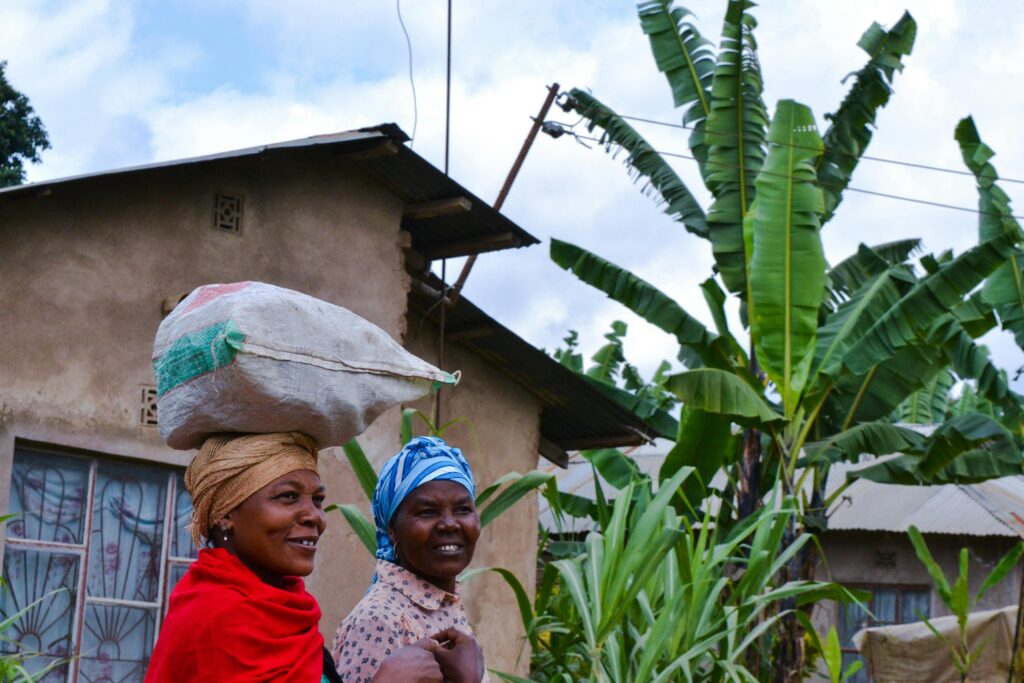
Women experience climate risk differently and earlier. Gender roles in Kenya shape exposure to climate shocks. Women are primarily responsible for water collection, food preparation, caregiving, and household management (KNBS, 2020). During drought, women travel longer distances to access water and fuel. During floods, they manage displacement, illness, and food shortages within households. This positions women as first responders at the household and community levels. They detect stress signals earlier than formal institutions and design responses grounded in daily survival rather than abstract planning frameworks (UN Women, 2023).
Ignoring this knowledge leads to ineffective adaptation. Many projects prioritize infrastructure without addressing access and control. Early warning systems often overlook unpaid care burdens that limit women’s ability to respond. Relief packages frequently fail to consider who distributes and manages resources at the household level, reducing effectiveness (FAO, 2022).
Women-led community responses demonstrate stronger outcomes. In Kajiado County, women-led savings groups and grazing management committees negotiated local grazing calendars during drought periods. This reduced overgrazing, lowered livestock losses, and decreased household conflict (CARE, 2022). In Kilifi County, women-led mangrove restoration groups contributed to shoreline stabilization and improved fish stocks.
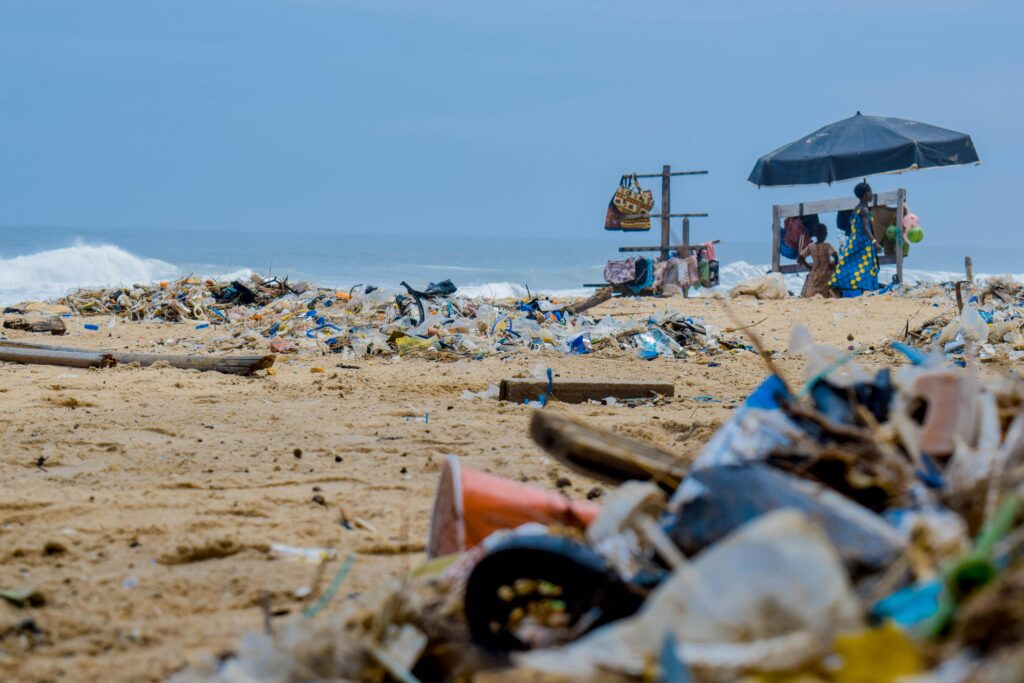
These initiatives also supported income diversification through ecotourism and sustainable harvesting (UNEP, 2021). In Nairobi, informal settlements such as Mukuru and Mathare, women-led community-based groups organized drainage clearing and waste removal ahead of rainy seasons. This reduced localized flood damage despite citywide flooding events (SDI Kenya, 2022).
These outcomes align with regional and global evidence. Research by UN Women, FAO, and CARE shows that climate adaptation initiatives with women in leadership roles achieve stronger food security outcomes, improved natural resource management, and higher community compliance. These results are driven by decision-making authority rooted in lived experience, not symbolic inclusion (FAO, 2022; UN Women, 2023).
Grassroots women’s groups close critical adaptation gaps. Across Kenya, women manage structures central to resilience, including table banking groups, water user committees, seed banks, informal social protection systems, and household-level disaster response. These groups mobilize quickly, operate on trust, and function at low cost. They consistently reach populations that formal systems miss (CARE, 2022).
Despite this, they remain structurally underfunded. Globally, less than 10 percent of climate finance reaches local actors, and direct funding to women-led groups is significantly lower (OECD, 2021). In Kenya, climate finance flows primarily through national institutions, large NGOs, and consultancies. Funds often arrive late, carry high administrative costs, and dilute community priorities (ODI, 2022). This reflects a power imbalance rather than a capacity gap.
Policy recognition without resources has failed. Kenya’s Climate Change Act and National Climate Change Action Plans acknowledge gender equality.
County Climate Change Funds recognize community participation. However, most county climate budgets lack gender specific allocations. Women are invited to consultations but excluded from budget control. Gender indicators appear in reports without influencing spending decisions (Government of Kenya, 2016; Ministry of Environment and Forestry, 2018).
Direct funding to women-led groups improves adaptation outcomes. Evidence from arid and semi-arid counties shows higher sustainability when women manage adaptation funds, lower resource leakage, and stronger accountability to communities rather than donors (CARE, 2022). Direct funding also shortens response times during climate shocks, strengthens local governance, and builds long term adaptive capacity rather than short term relief (ODI, 2022).
What must change?
The national government must ring-fence climate finance for women-led adaptation initiatives.
County governments must embed gender specific budget lines and indicators in climate action plans.
Donors must fund grassroots women’s groups directly, with flexible and long-term financing.
Climate programs must treat women’s leadership as a core outcome, not a participation metric.
Climate adaptation is not gender neutral. It is shaped by power, labor, and access to resources. Kenya will not build durable climate resilience while sidelining the leaders already sustaining communities. Women are not beneficiaries of adaptation. They are its backbone. Funding and decision-making must reflect that reality.
reference list.
- CARE. (2022). Why women’s leadership is essential for climate adaptation and resilience. CARE International. https://www.care.org
- FAO. (2022). Gender, climate change and food security. Food and Agriculture Organization of the United Nations. https://www.fao.org
- FAO. (2023). Drought impact and needs assessment in Kenya. Food and Agriculture Organization of the United Nations. https://www.fao.org
- Government of Kenya. (2016). Climate Change Act No. 11 of 2016. Government Printer.
- KNBS. (2020). Kenya time use survey 2019. Kenya National Bureau of Statistics. https://www.knbs.or.ke
- Ministry of Environment and Forestry. (2018). Kenya National Climate Change Action Plan 2018–2022. Government of Kenya.
- NDMA. (2023). Drought early warning bulletins. National Drought Management Authority. https://www.ndma.go.ke
- OECD. (2021). Climate finance provided and mobilised by developed countries. Organisation for Economic Co operation and Development. https://www.oecd.org
- ODI. (2022). Tracking adaptation finance to the local level. Overseas Development Institute. https://www.odi.org
- SDI Kenya. (2022). Community led flood mitigation in informal settlements. Slum Dwellers International Kenya. https://sdinet.org
- UNEP. (2021). Mangrove restoration and community livelihoods in Kenya. United Nations Environment Programme. https://www.unep.org
- UN Women. (2023). Feminist action for climate justice. United Nations Entity for Gender Equality and the Empowerment of Women. https://www.unwomen.org
- If you want, I can also produce a shorter policy brief version, an op ed version, or a donor facing adaptation finance brief using the same evidence base